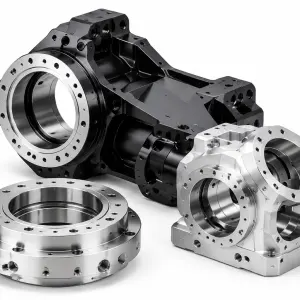



Composants d’effecteurs finaux de précision personnalisés pour la robotique


Composants robotiques des effecteurs finaux
Usinage CNC de précision pour composants d’effecteurs robotiques, y compris les plaques de montage, doigts gripper, Supports adaptateurs, Porte-outils, Supports de capteurs, et des pièces d’outillage sur mesure. Supporte la géométrie complexe, GD serré&T, Matériaux légers, et production de prototypes à faible volume.
- CNC 5 axes pour pièces complexes d’effecteur final
- Montage de précision & Interfaces de localisation
- Options légères en aluminium / titane
- Position de trou étroit & GD&Contrôle T
- Prototype & Production à faible volume
Description du produit
Introduction
Les composants robotiques des effecteurs finaux sont des pièces mécaniques de précision utilisées dans les adhérents, Changeurs d’outils, Systèmes d’aspiration, Outils de soudure, Têtes de distribution, Outils d’inspection, et d’autres dispositifs montés sur robot où le positionnement est précis, Poids faible, rigidité, et l’assemblage reproductible sont critiques.
Les composants de l’effecteur final incluent souvent des plaques de montage, Supports adaptateurs, doigts gripper, Porte-outils, Supports de capteurs, Interfaces pneumatiques, Caractéristiques de localisation, Trous de précision, et des pièces structurelles légères. Petites écarts dans la position du trou, Platitude, Perpendiculité, ou les dimensions de l’interface peuvent influencer l’alignement de l’outil, Précision de prise en main, Répétabilité, et la performance globale du robot.
Nos capacités d’usinage CNC incluent la 3 axes, 4 axes, et fraisage à 5 axes, Tournage CNC, forage, ennuyeux, Filetage, tapping, et finition de précision. Stratégies d’usinage, Contrôle des données, Maintien du travail, et les méthodes d’inspection sont sélectionnées selon la géométrie des pièces, Exigences en poids, Interfaces de montage, GD&T, et conditions fonctionnelles.
Les composants des effecteurs finaux peuvent être usinés à partir d’alliages d’aluminium, inox, Titan, Acier à outils, Plastiques d’ingénierie, et autres matériaux, avec anodise, Anodisation dure, Passivation, Polissage, Placage, Revêtement, et d’autres traitements de surface disponibles. Prototype, Exemple d’ingénierie, et la production à faible volume peut être prise en charge selon les plans clients.
Caractéristiques techniques
| Objet | Spécification |
|---|---|
| Nom du produit | Composants robotiques des effecteurs finaux |
| Matériel | Aluminium / Acier inoxydable / Titane / Acier à outils / Plastiques d’ingénierie / Personnalisés |
| Procédé de fabrication | Fraisage / Tournage / Alésage / Perçage / Filetage / Taraudage / Finition de précision |
| Géométrie des pièces | Caractéristiques cylindriques / à paroi fine / profondes / complexes multi-surfaces |
| Tolérance | Jusqu’à ±0.005 mm / Selon le dessin |
| Finition de surface | Usiné de précision / Meulé / Poli / Personnalisé |
| Couleur | Naturel / Noir / Dépendant du matériau |
| Production Volume | Production de prototypes et de faible volume |
| Inspection | CMM / Jauge de hauteur / Micromètre / Étrier / Plan d’inspection personnalisé |
| Documentation | Rapports d’inspection et documents matériels sur demande |
| Applications | Pinces / Changeurs d’outils / Outils d’aspiration / Outils de soudure / Outils d’inspection / Systèmes de distribution |
| Service personnalisé | Pris en charge par l’OEM et l’ODM |
Trois aspects clés de la personnalisation, Adapté à vos besoins
Solutions d’usinage CNC personnalisées pour des composants robotiques complexes et des exigences d’assemblage de précision.
Fabrication de précision, Qualité excellente
Usinage complexe des effecteurs finaux
L’usinage à 5 axes supporte des pièces complexes de présélection, Supports adaptateurs, Porte-outils, Traits inclinés, Poches internes, et des interfaces de montage multi-côtés tout en réduisant les configurations répétées.


Interfaces de montage d’outils de précision
Localisation des trous, Surfaces de montage, Motifs de boulons, Interfaces d’outils, et les caractéristiques des capteurs sont usinées avec un contrôle de position strict pour permettre une installation d’outils précise et reproductible.
Léger & Structures rigides
Aluminium, Titan, inox, Plastiques d’ingénierie, et d’autres matériaux peuvent être sélectionnés selon le poids, rigidité, Charge, Résistance à l’usure, et conditions d’application.


Inspection de précision
CMM, Calibres d’alésage, Micromètres, et d’autres équipements de mesure peuvent vérifier la taille du forage, Poste, Concentricité, runout, Platitude, et les caractéristiques de montage avant l’assemblage.
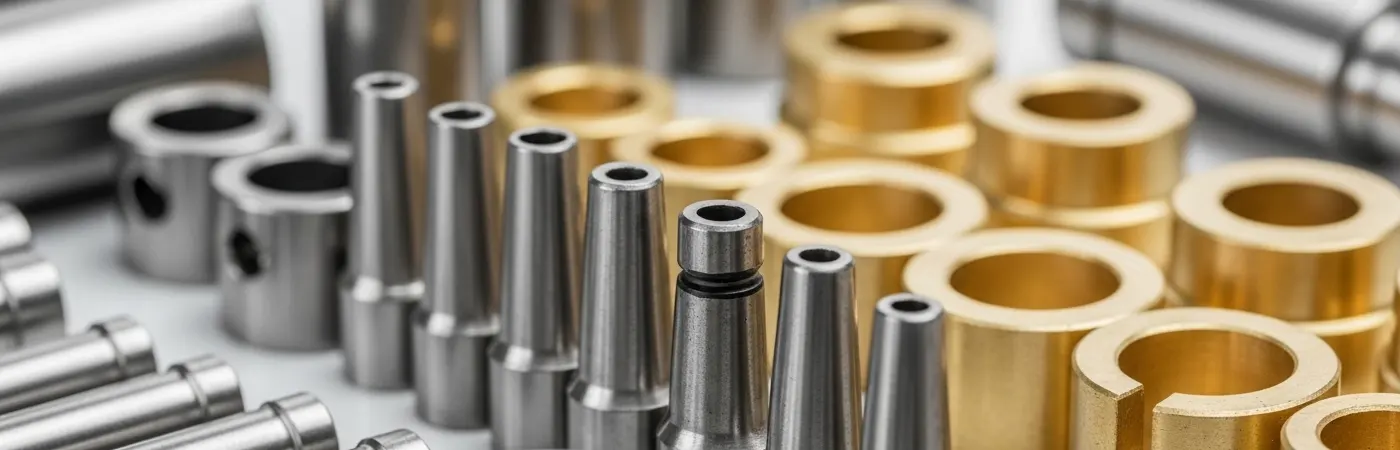
Service raffiné, Délai de livraison réduit
De la revue de conception à la livraison, Nous proposons un suivi personnalisé dédié tout au long du processus.
Consultation → Fournir des plans → une revue de conception & Devis → traitement des commandes → inspection qualité → livraison à temps → suivi après-vente
Nos avantages
Soutenu par plus de 25 ans d’expérience en ingénierie, Notre équipe propose des services complets — de la conception personnalisée des moules et l’usinage de précision à la production à grande échelle — soutenus par un système d’assurance qualité robuste et un service client proactif. Certifié sous ISO9001, ISO14001, et IATF 16949, Nous visons continuellement l’excellence en matière de qualité, Innovation, et la satisfaction client.
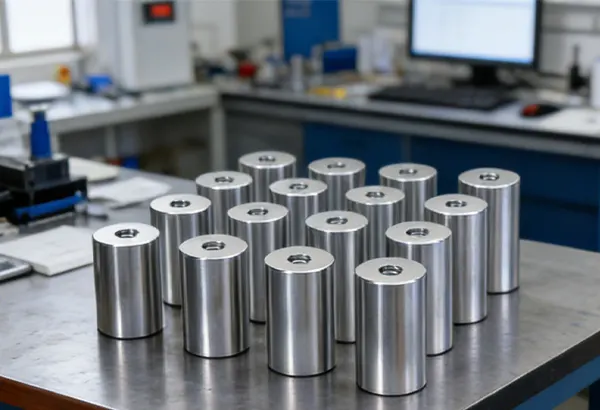
Plus de 100,000 Unités en stock, avec un envoi en 2 heures pour les produits standards.
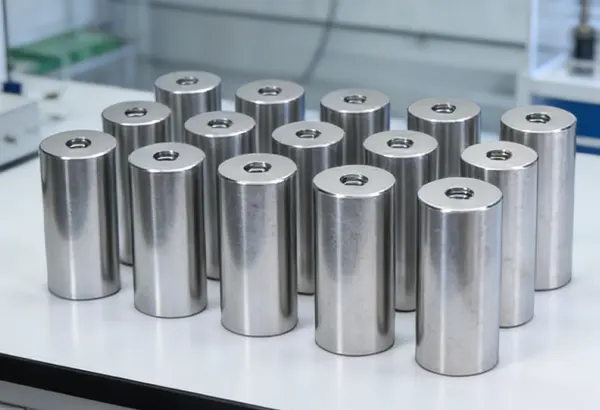
Mise en œuvre d’un système d’inspection en trois étapes — vérification initiale des matériaux, Inspection en cours de processus, et inspection finale.
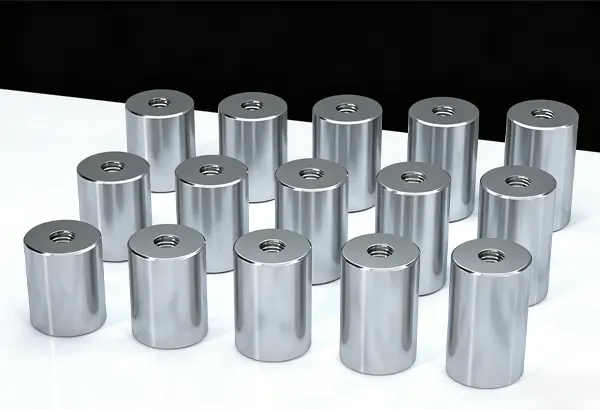
Inventaire important et délais rapides, Garantir une livraison à temps avec une inspection 100 % des produits.
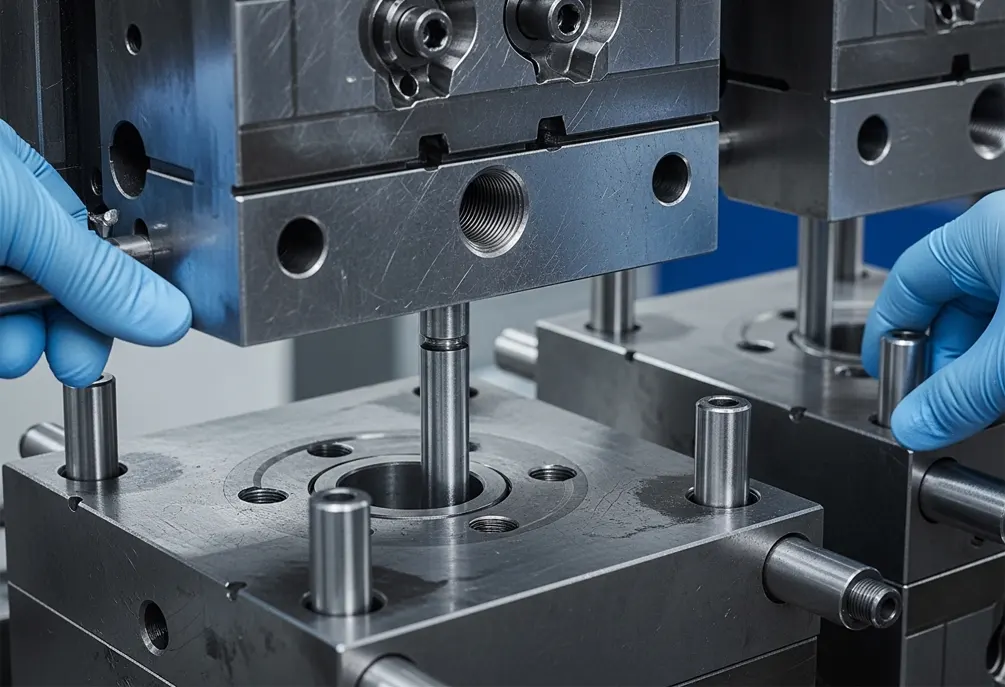
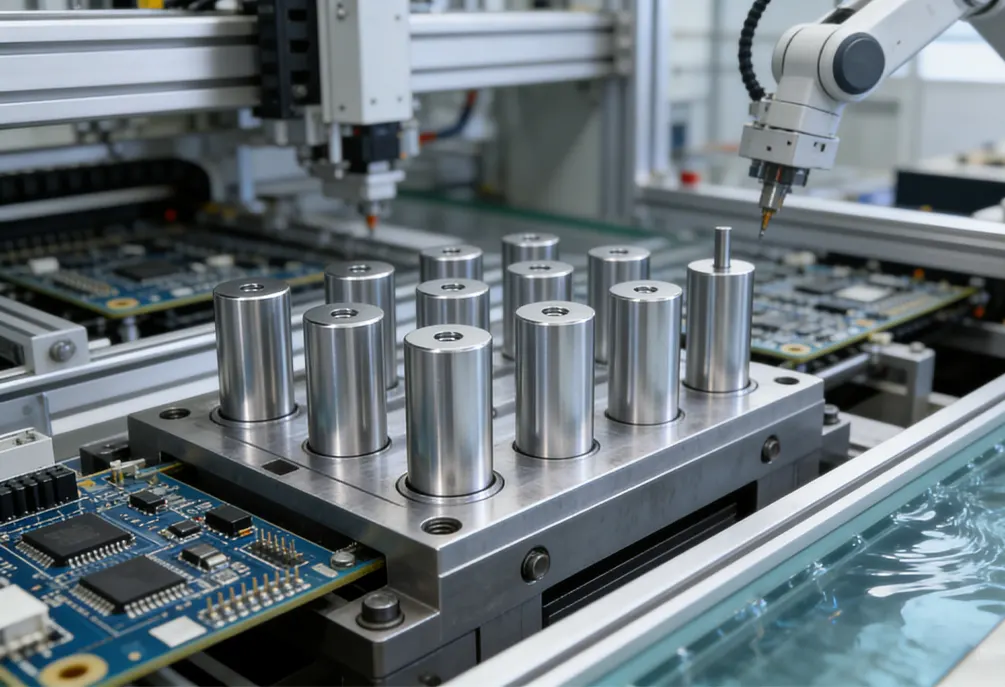
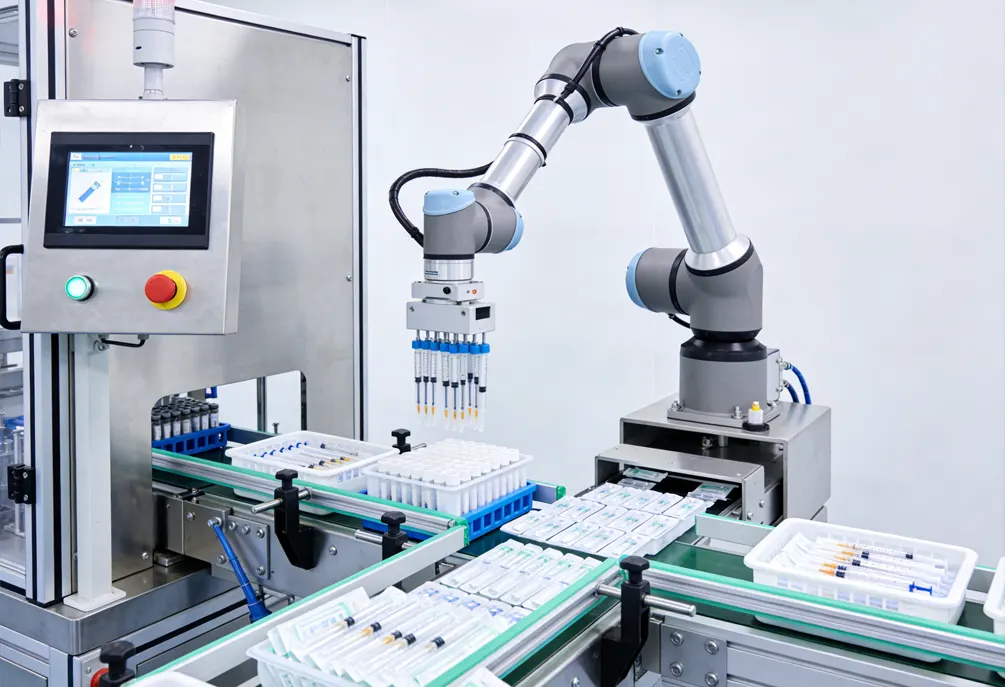
Champ d’application
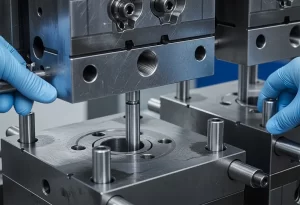
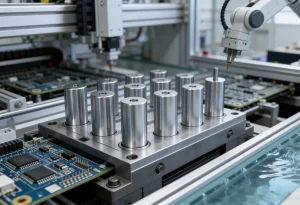
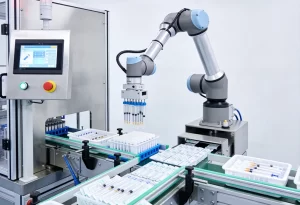
Le choix privilégié dans divers secteurs.
FAQ
Q1: Quels sont les composants des effecteurs finaux robotiques?
Les composants robotiques des effecteurs finaux sont des pièces de précision utilisées pour connecter, Soutien, et manœuvrer des outils montés à l’extrémité d’un bras robotisé, y compris les pinces, Changeurs d’outils, Systèmes d’aspiration, Outils de soudure, et dispositifs d’inspection.
Q2: Quels types de pièces d’effecteur final peuvent être usinées CNC?
Les pièces courantes incluent des plaques de montage, doigts gripper, Supports adaptateurs, Porte-outils, Supports de capteurs, Blocs de localisation, Interfaces pneumatiques, et composants structurels personnalisés.
Q3:Pourquoi le poids est-il important pour les effecteurs robotiques?
Réduire le poids de l’effecteur final peut aider à diminuer la demande de charge utile des robots, Améliorer l’accélération et la réponse, et réduire la charge sur les joints et actionneurs tout en maintenant la rigidité requise.
Q4: Quels matériaux sont couramment utilisés pour les composants des effecteurs finaux?
Les matériaux courants incluent les alliages d’aluminium, inox, Titan, Acier à outils, et plastiques d’ingénierie, sélectionné selon le poids, rigidité, Résistance à l’usure, force, et environnement.
Q5: Comment les composants robotiques des effecteurs finaux sont-ils inspectés?
L’inspection peut inclure un CMM, Jauges de hauteur, Micromètres, Étriers, et des équipements sur mesure pour vérifier la position des trous, Platitude, Perpendiculité, Dimensions, et interfaces de montage critiques.